Understanding Transparent Pricing Models for Interior Design Projects
Navigating Financial Clarity in Your Interior Design Journey
Selecting a design partner often feels overwhelming due to historical industry practices that obscure actual costs. Traditional models relying on varied markups and fluctuating hourly rates can leave homeowners feeling uncertain about their total investment. As noted in The Latest Fad in Interior Design? Transparent Pricing, clients are increasingly prioritizing clear, all-inclusive pricing to replace this opacity with trust.
At Namaste Design, we prioritize this fiscal responsibility by offering transparent pricing packages tailored to your project requirements. Unlike firms that surprise clients with fragmented billing, we establish clear expectations from the initial consultation. Whether you are transforming a heritage villa or a new apartment, our approach ensures your budget is directed toward quality craftsmanship and aesthetic value rather than hidden administrative fees.
Achieving a balance between high-end design and a realistic budget requires professional foresight. By providing detailed, phased quotes, we help you understand exactly where your resources go, from material procurement to installation. This commitment to transparency allows Mumbai clients to realize their visions with the confidence that their financial plan is as carefully constructed as the space itself.
The Evolution of Transparent Pricing Models
 The long-standing industry standard of combining hourly charges, percentage markups, and miscellaneous administrative fees often leaves homeowners struggling to calculate their true project costs. Historically, these disparate billing structures have created an opaque environment where the final investment remained unclear until the very end. Recent developments underscore a shift toward transparent pricing, which simplifies how professional fees are calculated and communicated from the start.
Why is transparent pricing essential when choosing an interior design studio?
Transparent pricing ensures you understand the total investment required before significant commitments are made. By providing a clear picture of project costs upfront, a studio eliminates the discomfort of budget surprises and allows you to plan your finances with confidence. This clarity prevents the need for back-and-forth negotiations, replacing uncertainty with a clear understanding of what to expect. Without clear guidance, homeowners often face mismatched expectations that lead to wasted time and resources on projects that may not be financially viable. A clear financial framework allows you to focus on the creative journey of transforming your space.
Modern design firms are moving away from complex calculations in favor of flat fees or square-footage-based rates. These methods provide a fixed roadmap for the design journey, enabling clients to direct their capital toward tangible furniture and high-quality materials rather than abstract administrative costs. While some firms rely on traditional markup models, studios like Namaste Design emphasize clarity, ensuring that every installment reflects the value delivered through their comprehensive project management services. When the financial framework is straightforward, you can focus on aesthetics and craftsmanship.
- Flat fees allow for predictable budget planning without concerns over variable labor hours.
- Square-footage pricing offers a scalable model that accommodates both small renovations and large-scale villa transformations.
- Direct investment models ensure your budget directly enhances the quality of your home fixtures and finishes.
Visualizing Your Investment Through 3D Technology
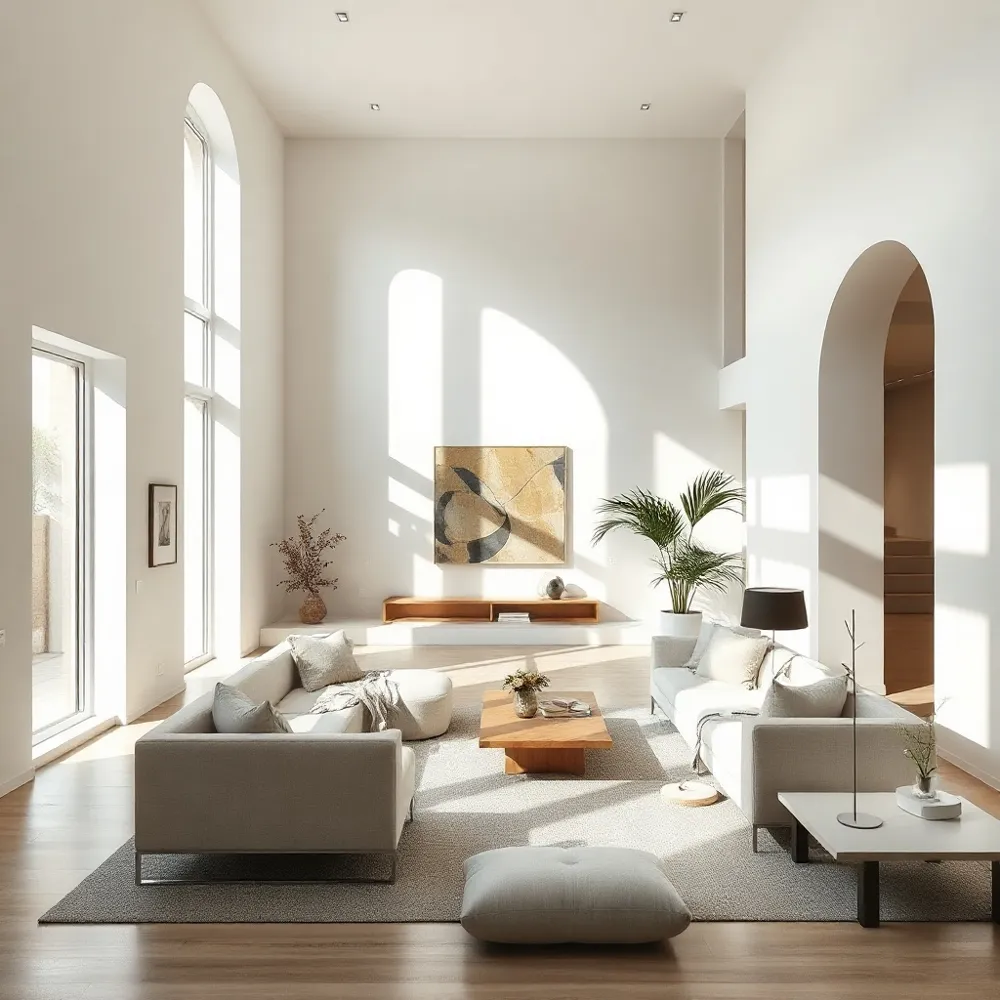
What are the primary benefits of using 3D photorealistic visualizations before starting an interior design project? These digital renderings act as a vital bridge between abstract ideas and the finished space, allowing you to see your home or office exactly as it will look before a single contractor starts the work. For many, deciphering complex 2D floor plans can be challenging, but a 3D rendering makes the design concept tangible and easy to understand. By aligning creative vision with your personal expectations early on, studios can reduce the likelihood of costly, time-consuming revisions during the build phase.
This process provides peace of mind and allows for collaborative adjustments, ensuring every detail from materials to ambient lighting perfectly reflects your taste. Clear expectations up-front regarding project design and scope help maintain schedules and provide clarity. Many studios offer 3D visualizations as part of their consultation process to help you feel confident in your investment before construction begins, rather than discovering misalignment once materials are already procured.
Investing time in the visualization phase directly impacts your total budget. When design intent is confirmed through photorealistic models, the risk of mid-renovation alterations decreases significantly. Where some firms may charge additional fees for late-stage design changes or encounter delays due to miscommunication, a design-first approach ensures that the finalized renderings serve as a clear roadmap for execution. This clarity helps keep your renovation project aligned with your initial financial planning.
The Efficiency of Turnkey Project Management
Renovation projects often stall because of disjointed communication between various service providers. When homeowners act as the de facto project manager, they frequently find themselves caught between conflicting timelines from carpenters, electricians, and furniture suppliers. This fragmented approach often leads to budget overruns and unexpected delays that complicate the path to a completed space.
How can a turnkey project management approach simplify the interior renovation process?
A turnkey project management approach simplifies the renovation process by consolidating every phase, from initial concept and procurement to construction and final styling, under a single, accountable partner. Instead of navigating the complexities of coordinating separate contractors and suppliers, you work with one dedicated team that handles all logistical challenges and onsite supervision. This model provides clear cost certainty and prevents the miscommunications often associated with fragmented project management.
By entrusting the entire process to a single team, you eliminate the daily stress of decision making and project tracking. This team acts as your single point of contact, ensuring that design intent remains consistent from the first mood board to the final furniture placement. This unified strategy is a departure from traditional models that force clients to juggle inconsistent quotes and varied workmanship standards. According to Architectural Digest, moving toward transparent and consolidated fee structures helps eliminate the anxiety homeowners feel regarding hidden costs.
Ultimately, this approach allows you to focus on your vision, ensuring your home or workspace is delivered as a move-in-ready, beautifully curated space without the typical administrative burdens. This end-to-end oversight protects your investment and maintains the high quality synonymous with a professional design finish.
Understanding Common Pricing Structures
Selecting the right billing structure is essential to maintaining financial control throughout your project. Traditional models often blend multiple services into a single total, a topic Architectural Digest explores. Understanding how these models function allows you to align payments with your project goals.
Flat Fees. Best suited for projects with a clearly defined scope, this model provides a single, all-inclusive price. It allows homeowners to plan their budget with certainty, though it provides less flexibility for mid-project design shifts.Hourly Rates. Often applied to initial consultations or smaller adjustments, this method scales directly with the time invested by the designer. While transparent regarding effort, it can sometimes make it difficult to forecast a final total cost without strict milestones.Cost-plus Models. This structure applies a set percentage markup to the cost of materials and labor. It is frequently used when clients seek bespoke finishes where the precise cost of procurement may fluctuate based on market availability.
For significant renovations, many clients opt for a hybrid model. This approach combines a fixed fee for core design and planning with a management percentage for execution. At Namaste Design, we use this method to separate design services from procurement, so your budget is allocated to materials and labor. This approach includes end-to-end management to coordinate contractors.
Commission-based pricing can also be a strategic asset when sourcing unique items. While standard retailers charge full price, designers can often leverage their trade memberships to secure significant savings on artisan furniture. Designers can use trade memberships to source unique items at reduced prices, allowing clients to obtain custom pieces that fit their budget and style.
Budgeting for Excellence: Tips for Mumbai Renovations
Renovating a home or workspace in a dynamic city like Mumbai requires a disciplined approach to financial planning. To avoid unexpected surprises, it is standard practice to set aside a contingency fund of 10 to 15 percent of your total project budget. This buffer provides the necessary flexibility to handle unforeseen site conditions or structural adjustments that may surface once construction begins.
Effective budgeting involves distinguishing between permanent fixture investments and mobile decor. Permanent upgrades, such as custom millwork, integrated lighting, and high-quality flooring, directly enhance your property's long-term value. In contrast, mobile items like furniture, curated art, and soft furnishings offer greater flexibility and can be updated as your personal style evolves. By prioritizing your investment toward elements that stay with the structure, you ensure a stronger return on your financial commitment.
The timeline of your renovation also plays a role in the bottom line. Projects that allow for a reasonable, well-planned timeline often cost less than those that are rushed, as expedited shipping and priority sourcing frequently incur significant premiums. While the industry has historically relied on opaque markups, the shift toward transparent pricing has made it easier for homeowners to see where their capital is being deployed.
| Category | Budget Priority | Financial Impact |
|---|---|---|
| Contingency | Required | 10-15% of project cost |
| Permanent Fixtures | High | Increases long-term value |
| Project Timeline | Strategic | Avoids rush-related premiums |
Crafting Spaces Inspired by Modern Minimalism and Tradition
How can modern minimalism be effectively blended with traditional Indian craftsmanship in interior spaces?
Blending modern minimalism with traditional Indian craftsmanship is best achieved by using clean, functional lines as a neutral backdrop for artisanal storytelling. You can ground a contemporary open floor plan with a singular, high-quality handcrafted furniture piece, such as a carved teak coffee table, to serve as a meaningful cultural anchor. Introduce depth through texture rather than clutter by layering hand-woven textiles like Kantha quilts or block-printed cushions against sleek, monochromatic sofas. Art should be curated purposefully; a gallery wall featuring an eclectic mix of vintage Indian miniatures alongside abstract canvases creates a sophisticated focal point without overwhelming the senses. By selecting specific accent elements, like brass hardware or subtle jali-inspired motifs, you ensure the space remains timeless, serene, and deeply reflective of a modern Indian identity.
Achieving this balance requires resisting the urge to over-fill a room. Modern design emphasizes function and open space, which allows the intricate details of traditional work to stand out. When you curate artisanal pieces, treat them as focal points rather than background filler. This measured approach ensures that every item has its own place, preventing visual clutter while emphasizing the quality of the craftsmanship itself.
Transitioning to a minimalist aesthetic does not mean sacrificing cultural heritage. Instead, it offers a way to simplify the visual environment so that traditional elements become more prominent. Transparent pricing can help ensure that the investment in these custom, artisan-made pieces is clear from the start of the design phase. By clearly separating the cost of bespoke craftsmanship from general design services, you can prioritize where your budget provides the most lasting value for your home.
The Power of Detailed and Phased Quotes
A comprehensive design proposal serves as the foundation for a successful renovation, transforming vague expectations into a concrete delivery plan. Transparent pricing models treat the quote as a formal roadmap. A well-structured quote explicitly separates design consultation fees from labor and material procurement, allowing you to track exactly where your investment is allocated throughout the project lifecycle.
- Project Overview: A high-level summary of your design vision and the specific areas requiring transformation.
- Scope and Materials: A detailed breakdown of finishes, furniture, and fixtures, distinguishing between custom joinery and off-the-shelf items.
- Phased Milestones: A clear timeline that maps out critical stages, from initial 3D visualization and planning to final on-site installation.
Managing change orders is where many projects veer off course, but clear communication prevents this tension. A professional quote must include an agreed-upon process for handling plan variations, ensuring that any deviation from the original scope is documented and approved before work continues. This clarity can be achieved through a single point of contact who ensures that budget adjustments remain transparent, preventing the common pitfalls of hidden labor costs or fragmented logistics that often delay residential and office renovations in Mumbai.
Building Your Dream Space with Confidence
Achieving your vision requires a commitment to clarity, where transparent pricing and comprehensive planning prevent the financial uncertainty that often plagues renovations. By prioritizing transparent pricing, you ensure every rupee of your budget supports the quality of your home rather than hidden administrative costs.
At Namaste Design, we replace ambiguity with a structured, end-to-end approach. Our process integrates 3D photorealistic visualizations to ground your choices in reality before work commences, eliminating the risks of costly revisions. We invite you to contact us to discuss how our commitment to modern minimalism and Indian craftsmanship can transform your Mumbai apartment or workspace into a timeless, functional sanctuary.