Styling Furniture for a Balanced Modern Indian Aesthetic
The Art of Styling a Modern Indian Home
Achieving a balanced modern Indian aesthetic centers on the careful interplay between traditional heritage and contemporary minimalism. Rather than choosing between these two worlds, the most enduring spaces purposefully curate elements like traditional Indian craftsmanship alongside clean, functional silhouettes.
At Namaste Design, we view effective styling as an essential layering process that brings warmth and character to a home. By incorporating indigenous materials and meaningful decor, we help clients move away from standard showroom aesthetics toward rooms that reflect personal narratives. Through thoughtful furniture styling, we ensure every piece serves a clear purpose, balancing utility with a timeless visual appeal that avoids the clutter of passing trends.
Anchor Your Space With Intention
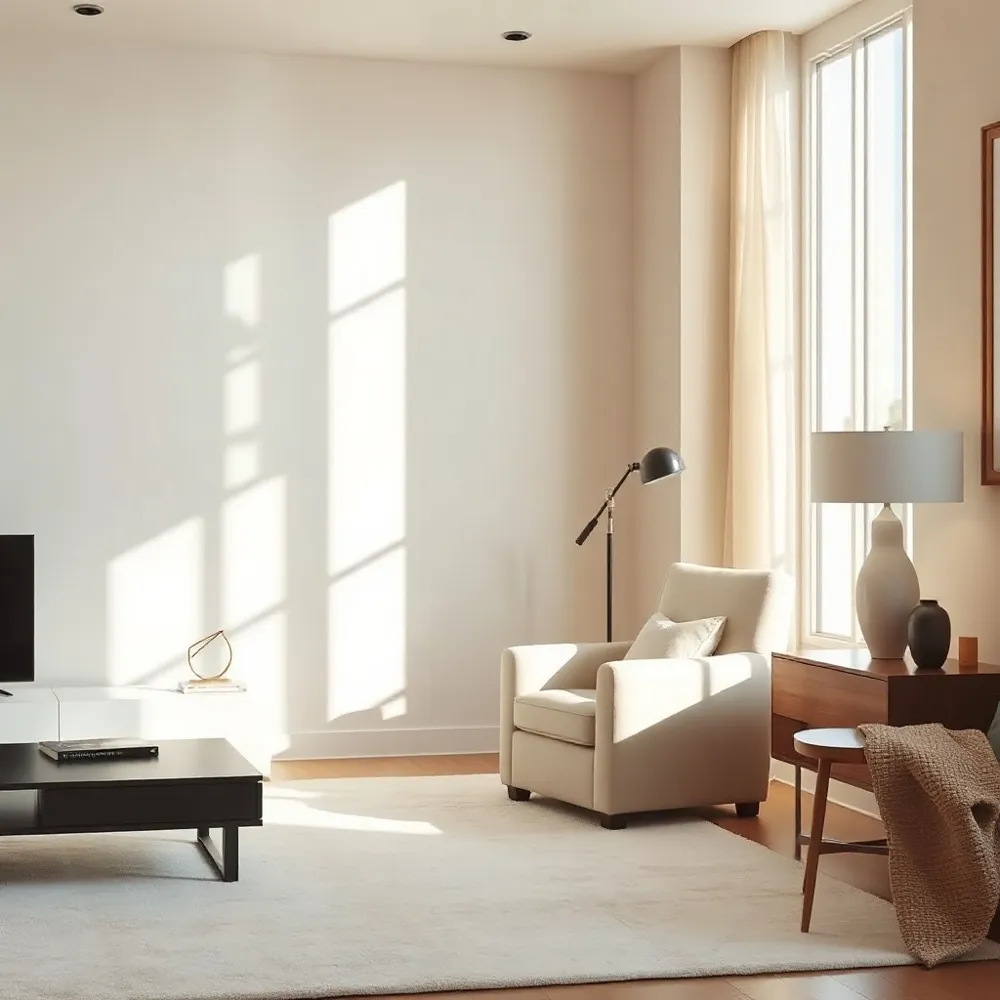 Every thoughtfully curated room needs a foundation, and this starts with a single visual anchor. Whether you choose a masterfully crafted statement sofa or a bold, traditional rug, this one piece establishes your room's character and dictates the surrounding layout.
Once your focal point is set, use the Rule of Three to arrange your smaller accessories. Grouping items in odd numbers is a proven strategy to create natural visual balance and prevent a room from feeling overly rigid or symmetrical. Instead of pushing furniture against the walls, try floating your seating pieces slightly away from them. This technique, often recommended by interior professionals, improves room flow and air circulation by exposing more floor space, making your home feel noticeably larger.
Achieving this balance requires careful planning, especially when blending heritage items with modern silhouettes. 3D photorealistic visualizations can help you see exactly how your chosen anchors and accessories will interact within your specific room dimensions before any work begins, preventing the costly revisions often associated with trial-and-error furniture placement.
Blending Old and New With Confidence
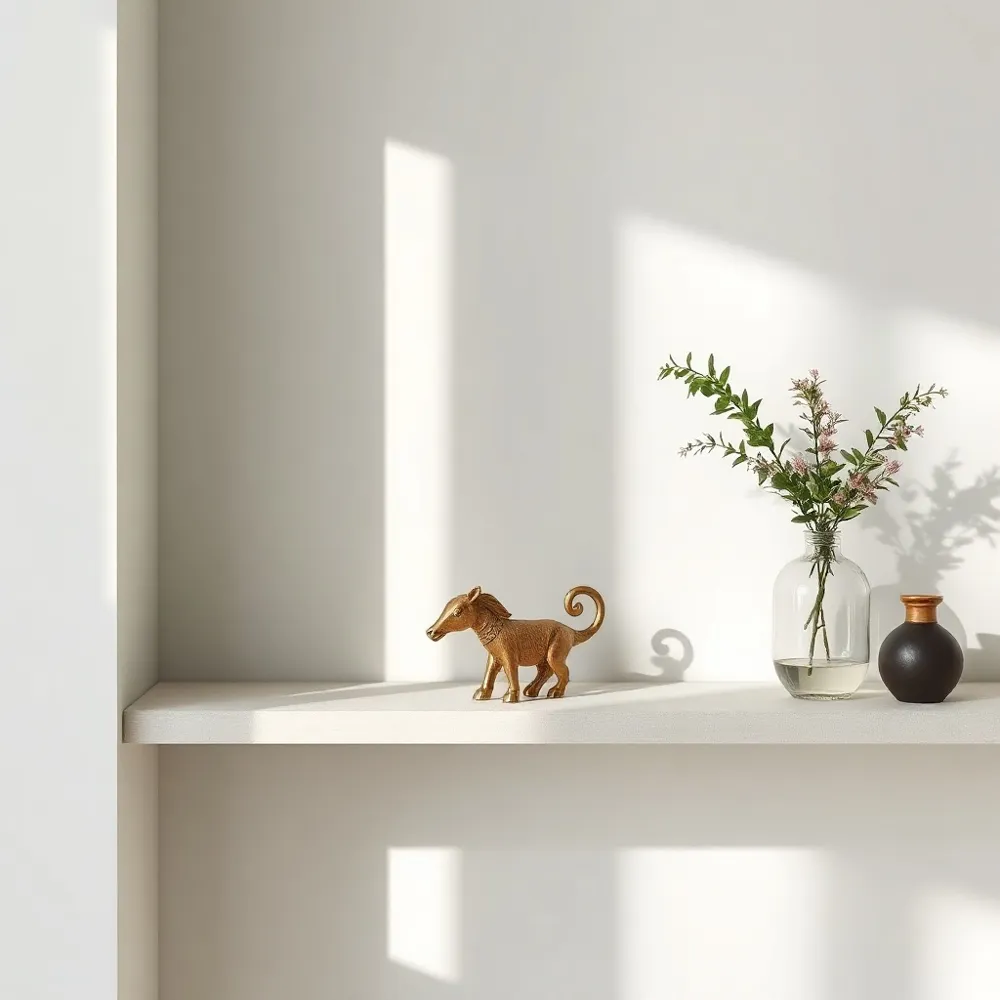
Achieving a seamless blend of heritage and contemporary design relies on a curated approach where traditional pieces serve as purposeful focal points against a clean, neutral backdrop Indian Modernism: Architectural Digest India. For instance, pairing a heavy, hand-carved wooden sofa with sleek, modern accent chairs creates a sophisticated contrast that honors cultural roots while maintaining a light, airy feel. To ensure these elements harmonize, focus on scaling; heritage accents should feel like intentional anchors that command attention without overwhelming the functional flow of the room.
How can one successfully blend traditional Indian craftsmanship with modern minimalism in a contemporary interior?
Success lies in the restraint of your edit. By utilizing a cohesive color palette, you can unify disparate furniture styles across a space. Whether you prefer grounding earthy tones, soft pastels, or rich jewel tones, a consistent base allows varying textures like woven Rattan, luxurious velvet, and polished metal to coexist comfortably. This layering prevents neutral spaces from appearing flat by adding vital sensory depth.
Using 3D photorealistic visualizations before committing to purchases allows for a personalized dialogue between your treasured heirlooms and modern necessities. By integrating features such as brass accents or subtle jaali motifs, you can ground the design in an authentic context while keeping the silhouette uncluttered.
True luxury in a home is defined by personal connection and the stories behind your decor rather than mere adherence to trends 12 styling secrets: Architectural Digest India. By treating negative space as a vital design tool, you give curated heritage items the breathing room they need to shine, resulting in a residence that feels both deeply rooted and refreshingly functional.
The Power of a Balanced Color Palette
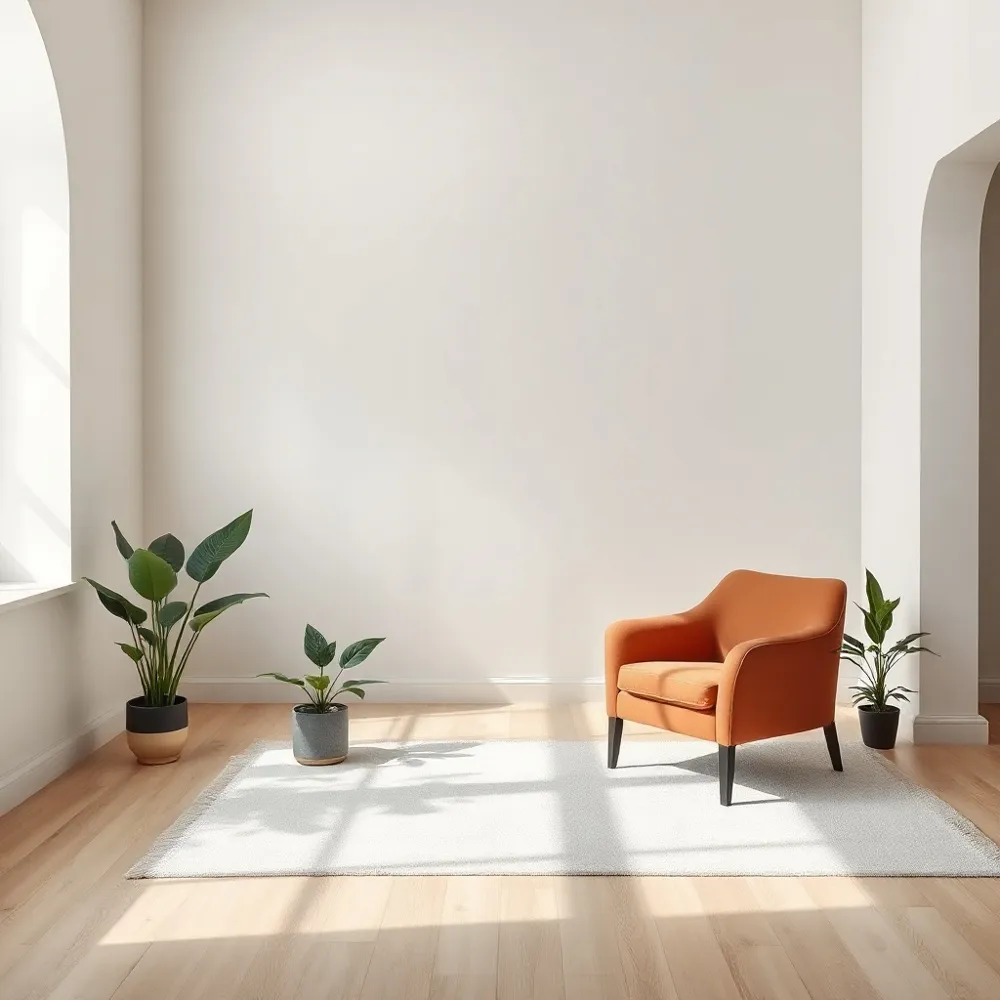
A calm, inviting atmosphere begins with a foundational color strategy that respects the scale of your living space. By dedicating approximately 80 percent of your interior to neutral, airy tones such as beige, grey, or off-white, you establish a serene and cohesive base that makes even compact rooms feel more expansive.
The remaining 20 percent of your palette should be reserved for high-impact accent colors. Introducing shades like deep indigo, vivid emerald green, or warm rust allows you to draw the eye toward specific focal points, injecting cultural vibrancy without overwhelming the senses. At Namaste Design, we believe that color functions as a vital unifying element, especially when you are blending disparate furniture styles, from contemporary sectionals to traditional heirloom pieces.
Before finalizing these decisions, previewing your chosen color scheme through photorealistic 3D visualizations helps ensure the balance hits the right note between minimalism and personality. This meticulous approach to color ensures that your home reflects personal style while maintaining the timeless, sophisticated aesthetic found in Indian Modernism.
Layering Textures for Depth and Warmth
Effective styling relies on building physical depth before touching a single color. By introducing elements such as linen, raw ceramics, aged timber, and polished brass early in the design process, you create a tactile experience that prevents neutral spaces from feeling flat or clinical. Namaste Design prioritizes this foundational layering, ensuring that the interplay of materials adds inherent warmth to your home.
Natural materials provide the backbone of this approach. Rattan and cane are excellent for adding earthy character through furniture pieces like chairs, side tables, or custom lampshades. Similarly, incorporating terracotta, jute, stone, and teakwood effectively grounds a space, offering a refined, clutter-free aesthetic. Whether working on a compact Mumbai apartment or a spacious villa, Namaste Design balances these organic textures to ensure your environment remains both sophisticated and deeply inviting.
Making Minimalism Work in an Indian Home
Making Minimalism Work in an Indian Home
Achieving a minimalist aesthetic in a bustling urban environment requires a practical approach that balances elegance with the realities of daily life. For typical Indian households, all-white palettes often prove difficult to maintain, making earthy neutral tones like warm browns and soft grays a more sustainable alternative that hides dust and wear effectively.
To ensure your living environment remains serene rather than cramped, prioritize concealed storage solutions. Using cabinetry with opaque shutters and hidden, integrated handles creates a seamless visual flow that grounds the room. Namaste Design focuses on these functional details by custom-designing storage that aligns with your specific space constraints.
Embracing negative space allows a room to breathe. Instead of filling every corner, select a single statement piece or carefully curate the spacing of smaller decorative objects. This 'less but better' philosophy transforms bare walls into a design element itself, providing the eye with necessary resting points. 3D photorealistic visualizations, available during the consultation phase at www.namastedesign.in, can demonstrate how this selective placement will impact your home before any work begins.
Furniture That Respects Your Space
Designing for compact urban apartments requires furniture that prioritizes both proportion and utility. To help smaller rooms feel expansive rather than confined, we often recommend selecting pieces with slim arms and visible legs. This design choice exposes more floor area to the eye, creating an immediate sense of openness that heavier, boxier alternatives struggle to match.
Maximizing a limited footprint also depends on how you use your walls. Incorporating vertical storage, such as tall, slender bookshelves or wall-mounted shelving, draws the eye upward to make ceilings feel higher. This approach not only provides necessary organization but also preserves valuable walking paths that might otherwise become obstructed.
For added versatility, consider pieces that serve multiple roles without adding visual weight. Multi-functional items like nesting tables or sofas with hidden storage help optimize square footage in modern apartments where every inch counts. Our team focuses on these functional layouts to ensure your home remains both inspiring and easy to navigate, regardless of its size.
Why 3D Visualization Matters Before You Build
The primary advantage of receiving 3D photorealistic visualizations is the ability to align on design expectations before any physical work begins, which reduces the chance of costly, time-consuming revisions. These visualizations provide a clear, accurate representation of how materials, lighting, and textures will interact within your space, moving beyond the limitations of flat 2D plans.
By seeing a realistic depiction of furniture placement and color palettes, you can better understand the final outcome before construction starts. At Namaste Design, we include these renderings as part of every consultation, helping you finalize your vision before materials arrive on-site.
This clarity improves communication between our studio and the homeowner. By vetting every detail digitally, we can keep the project on schedule and within budget. Ultimately, this transparency helps align expectations and ensures the final result matches what you envisioned.
Understanding the Value of Transparent Pricing
Why is transparent pricing critical when engaging a premium interior design studio?
Transparent pricing serves as the foundation of a successful design partnership, effectively removing the ambiguity commonly found in high-end projects. By providing clear breakdowns across service tiers—from essential packages to full luxury suites—we ensure your budget decisions are grounded in actual costs rather than hidden markups. This openness fosters trust, allowing you to see the tangible value behind every procurement and design choice. Financial clarity allows you to move away from the stress of unexpected expenses and instead focus your energy on the transformation of your home or office.
How does a turnkey project management approach benefit those renovating a home or office?
A turnkey approach simplifies the renovation process by consolidating every phase—concept, procurement, and final installation—under a single, accountable partner. For busy Mumbai professionals and families, this structure eliminates the logistical burden of managing fragmented contractors and competing timelines, which often lead to costly delays and miscommunication. By acting as your dedicated point of contact, we maintain creative continuity throughout the project, ensuring every detail aligns with your initial vision. This end-to-end management delivers a high-quality, move-in-ready space that respects both your time and your budget, ensuring the final reveal is as seamless as a 3D visualization promised.
Your Home, Your Story
True luxury is defined by your personal connection to a space, rather than fleeting trends or expensive price tags. A home should serve as a physical narrative of your memories, where every choice feels intentional and grounded 12 styling secrets every interior design lover should know.
Achieving a balanced modern Indian aesthetic requires a curated approach that honors your heritage while embracing contemporary functionality. By selecting high-quality, meaningful pieces over excessive decor, you create an environment that feels both timeless and deeply personal. Whether you are blending traditional wood textures or integrating modern minimalist lines, success lies in editing your collection to include only what matters.
Namaste Design helps bring this vision to life by aligning design expectations through 3D photorealistic visualizations, ensuring your final home layout reflects your story with precision. A well-styled space does more than look polished; it creates a supportive backdrop for your daily life, balancing form, heart, and utility.