Choosing an Interior Designer in Mumbai: A Practical Guide
Finding the Right Design Partner for Your Mumbai Home
Selecting a design partner is a journey that often lasts for months, making professional compatibility just as vital as aesthetic taste. Architectural Digest notes that finding the right match requires balancing clear communication with an assessment of the designer's ability to manage complex project workflows. While many firms focus solely on imagery, premium studios provide a comprehensive, end-to-end service that includes everything from initial space planning to final site handover.
At Namaste Design, we replace fragmented contractor coordination with a single point of contact, ensuring your renovation remains stress-free. By establishing a transparent scope and realistic timeline before work begins, we protect you from the common pitfalls of costly revisions and unclear expectations. This guide explores the essential steps to identify a partner who balances high-end craftsmanship with modern minimalism, ensuring your home or workspace reflects your vision without the typical burdens of construction management.
Define Your Vision and Budget First
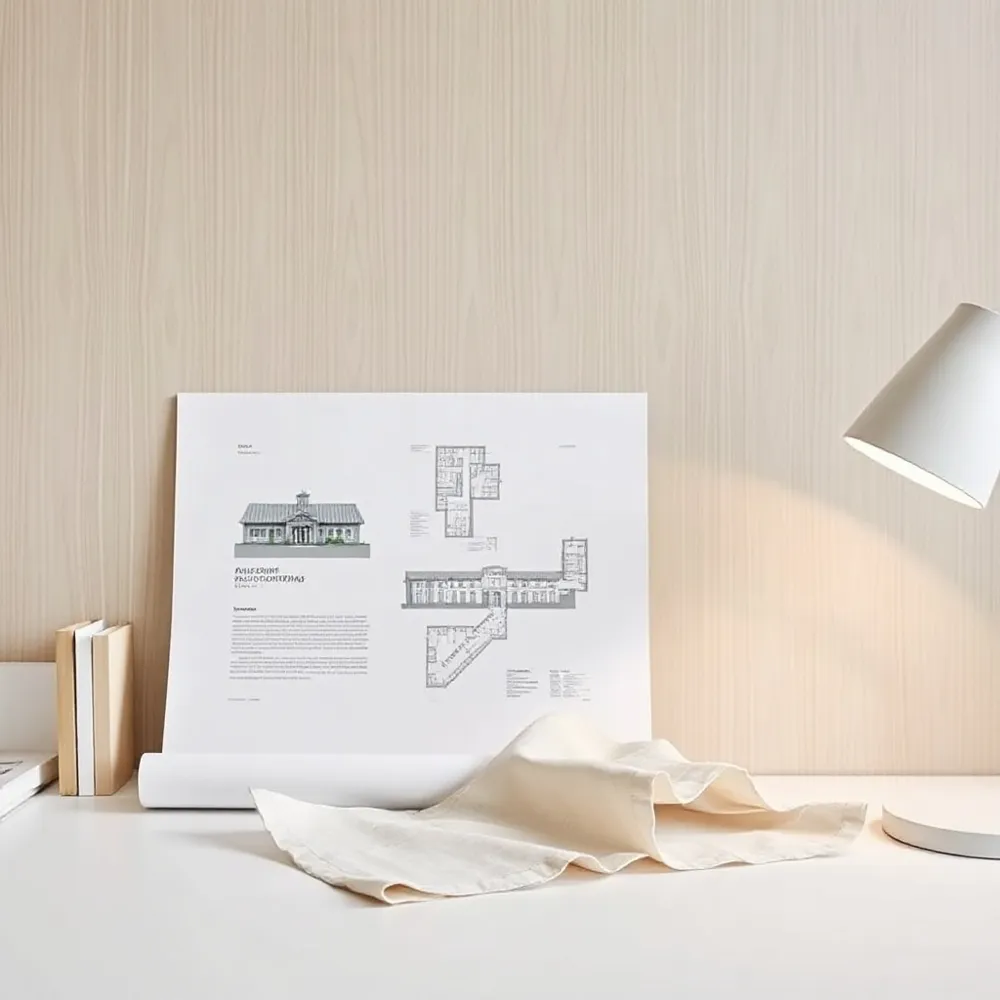 Before beginning your search, clarifying your aesthetic preferences saves significant time and ensures your final space aligns with your lifestyle. Whether you lean toward modern, traditional, minimalist, or eclectic styles, documenting your preferences early helps designers understand your unique vision. Many homeowners find that curating a mood board using tools like Pinterest or Canva acts as a foundational roadmap for the entire project.
At Namaste Design, we encourage clients to gather these visuals before our first consultation. This preparation allows us to provide more accurate feedback during our initial 3D visualization process, ensuring that the design concept matches your expectations from the start. Our process integrates your personal inspiration with our architectural expertise to create a cohesive home.
Setting a realistic and honest budget is equally crucial for a sustainable renovation. Without a clear financial plan, costs can escalate during the material procurement or construction phases. Defining your investment levels upfront helps in selecting appropriate finishes and furnishings, preventing the need for costly mid-project revisions. We recommend establishing a contingency fund for unexpected expenses to help keep your project on track.
Where to Find Trusted Designers in Mumbai
Locating a design partner in a city as large as Mumbai requires a focused strategy. The most reliable method remains word-of-mouth referrals from trusted circles, including friends, family members, and real estate agents. Hearing about a peer's experience firsthand provides genuine insight into how a professional manages expectations, handles project delays, and maintains communication, which forms the groundwork for a successful, long-term relationship as noted by Architectural Digest.
Digital channels also offer a valuable window into a studio's current work. Online platforms provide a space to filter professionals by specific local needs, such as apartment renovations versus villa styling. When exploring these sites, look for consistency in the project imagery and detailed client feedback, as these indicators often reveal how a firm handles the nuance of balancing aesthetics with everyday functionality.
Exhibitions and industry directories add another layer of verification to your search. Visiting local design showcases allows you to see the tangible quality of materials and the standard of craftsmanship in person. Furthermore, checking professional bodies like the Indian Institute of Interior Designers can help you confirm the formal credentials of a potential partner. Engaging with these verified sources allows you to interview candidates who demonstrate both high-level design philosophy and the practical rigor needed to oversee your home project from start to finish.
Reviewing Portfolios for True Skill
A professional portfolio serves as the best window into a designer's capability. When you examine a studio's previous work, look beyond the surface-level polish and seek signs of genuine problem-solving. The most informative visuals compare the initial raw space with the final result. Requesting before-and-after photos is the most reliable way to understand how a designer approaches challenging layouts or spatial constraints.
Versatility and consistent quality should be your primary metrics. While many designers showcase only their most opulent finished projects, an experienced firm will demonstrate a mastery of different styles, from modern minimalism to traditional aesthetics. Per Architectural Digest, reviewing projects that mirror the specific scope of your own home renovation ensures the designer has the necessary technical experience to manage your requirements. Look for consistency in craftsmanship details, such as how cabinetry joins or lighting is integrated, rather than just the selection of decorative furniture.
If you are comparing potential partners, pay close attention to the structural complexity of their past work. Where some firms may rely on standard finishes, 3D photorealistic visualizations can help you see how light, color, and function align in your specific floor plan before any construction begins.
Questions to Ask During the Initial Consultation
Your initial consultation is the most important step in establishing a lasting professional relationship. This meeting offers a chance to evaluate whether a designer's aesthetic sensibilities align with your own and if they offer the level of service you require. As noted in How to Hire an Interior Designer, coming prepared with specific questions helps you assess a candidate's credentials, philosophy, and management style before any formal commitment begins.
Philosophy and Scope. Ask how the studio approaches design. Some firms blend Indian craftsmanship with modern minimalism, while others stick strictly to Western trends. Clarify if they offer full end-to-end management or simply provide conceptual design plans. Getting this distinction early is vital to prevent mid-project surprises regarding who manages contractors, electricians, and plumbers.Project Management. A great transformation requires more than just aesthetics. Ask candidates how they oversee on-site work and coordinate third-party builders. Some studios act as a single point of contact, handling all site coordination, while others leave you to manage fragmented contractors. Verifying this level of oversight ensures your project stays on schedule and avoids common pitfalls in the complex Mumbai construction environment.Experience and Proof. Ask for examples of recent work that matches the scope of your specific project, whether you are renovating a compact apartment or a large villa. Don't just settle for polished 'after' photos. Request to see 'before' images to judge their actual problem-solving capabilities. If you feel hesitant, don't be afraid to ask for client references to understand how the designer communicates throughout the long-term collaboration.
Before you leave the consultation, ensure you have a clear understanding of the proposed fee structure and the milestones associated with your project timeline. Transparency at this stage builds the foundation for a stress-free renovation.
Understanding Fee Structures and Transparency
Understanding interior design fees can feel complicated, as professionals often apply different billing models to their work. Common industry practices include hourly rates, flat fees, a percentage of the total project cost, or cost-plus arrangements. While these models vary, the most successful partnerships are built on a clear, itemized estimate that encompasses all design fees, material expenses, contractor charges, and a necessary contingency budget.
At Namaste Design, we address the common pain point of opaque billing by providing a complete breakdown of costs from the start. This ensures that your investment remains predictable rather than fluctuating throughout the renovation process. Our commitment to transparent pricing means you know exactly where your funds are allocated, from furniture selection to specialized labor.
Why is transparency in pricing essential for premium interior design services?
Transparency in pricing is essential because it transforms an interior design project from a source of uncertainty into a clear, manageable investment. By providing detailed, itemized estimates that cover everything from professional fees to material procurement, we ensure you have a realistic understanding of your project costs before any work begins. This approach helps you avoid unexpected expenses and allows you to prioritize the design elements that matter most within your budget. Clear financial communication also helps ensure that the design vision for your home or office stays aligned with your budget. Transparent pricing gives you the confidence to create a space that feels both beautiful and well-planned.
When sourcing furniture and decor, clients should be aware that many professionals apply a procurement markup—typically estimated between 15% and 30% above the cost of the items. This fee compensates the designer for the time spent sourcing, quality checking, and coordinating the logistics of bespoke pieces. At Namaste Design, we manage this process end-to-end, ensuring that every curated piece serves the functional and aesthetic goals of your space without the typical trial and error found when working with fragmented, uncoordinated contractors.
The Power of 3D Visualizations Before You Build
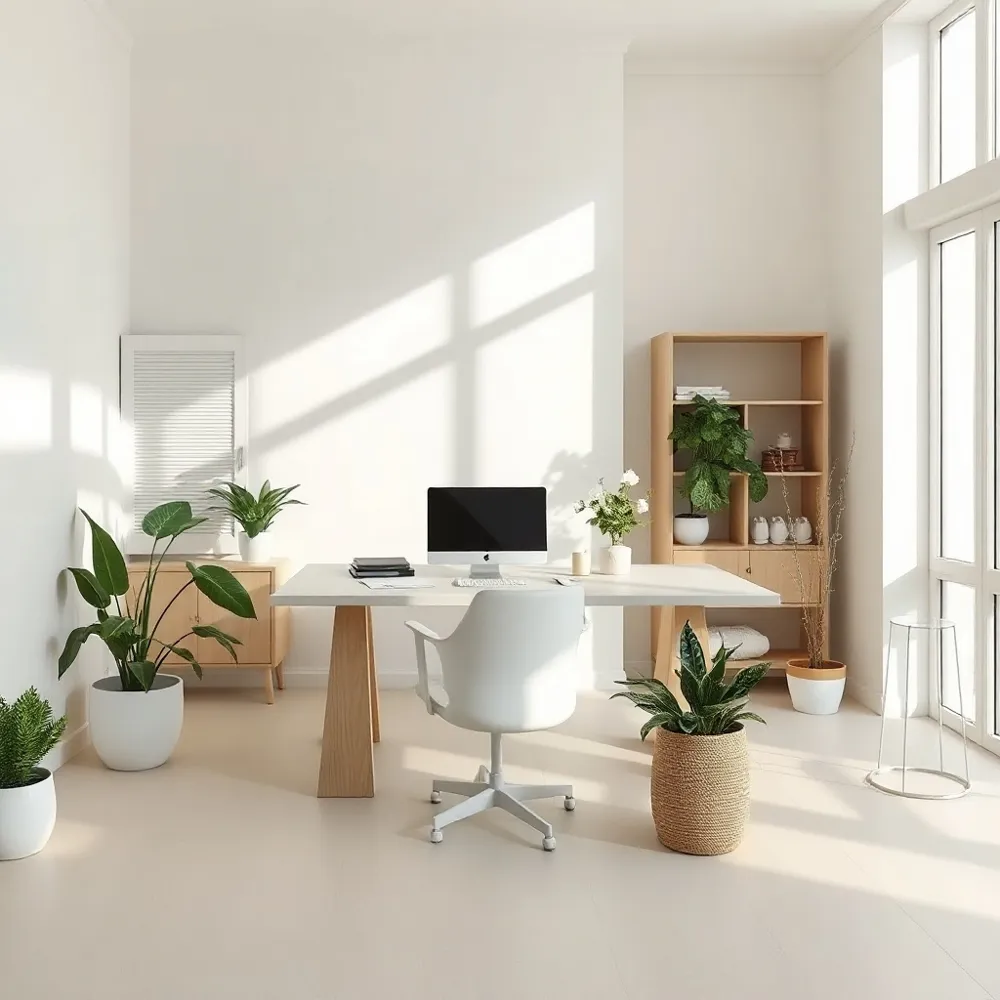
The gap between a conceptual layout and the reality of a finished room can often be significant. High-quality 3D photorealistic visualizations act as a vital bridge, allowing you to experience the atmosphere, colors, and textures long before any construction begins.
By providing an accurate preview, this process eliminates ambiguity and ensures that your vision aligns perfectly with the final output. Unlike basic 2D floor plans, these 3D visualizations allow for thoughtful refinements, effectively preventing costly mid-project revisions or misunderstandings that often arise after work is already underway.
Visualizing architectural details, furniture placement, and lighting effects helps you make confident, informed decisions about your investment. This turns abstract concepts into a clear, tangible plan.
For homeowners looking for precision, Namaste Design provides 3D visualizations for every consultation, so you see exactly what you are paying for.
What are the primary benefits of using 3D photorealistic visualizations during the interior design process?
3D photorealistic visualizations act as a vital bridge between your initial ideas and the finished space, allowing you to experience the atmosphere, colors, and textures long before any construction begins. By providing an accurate preview of your home or office, this process eliminates ambiguity and ensures that your vision aligns perfectly with the final output. This precision allows for thoughtful refinements to the design, preventing costly mid-project revisions or misunderstandings. Furthermore, visualizing details, from furniture placement to lighting effects, helps you make confident, informed decisions about your investment. These renderings turn abstract concepts into a clear, tangible plan.
Turnkey Project Management: A Stress-Free Renovation
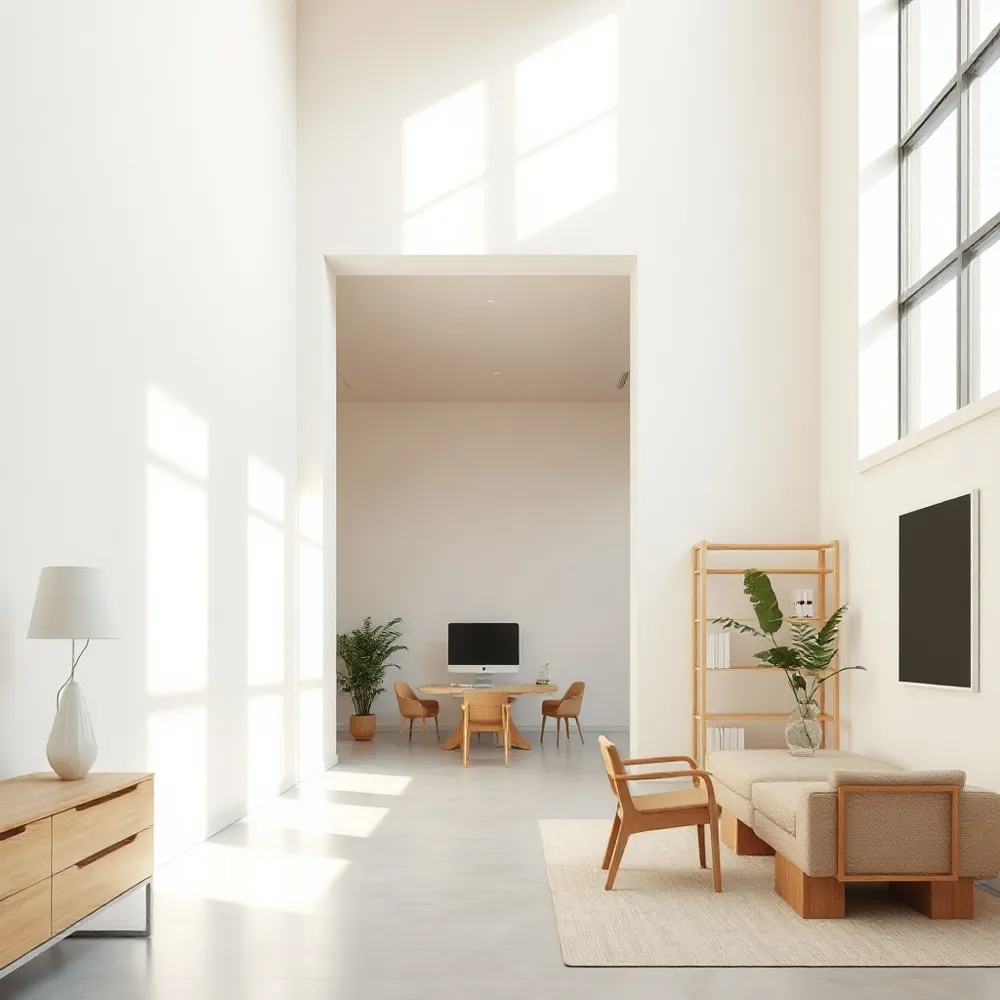
Renovating a property often involves juggling disparate contractors, managing material logistics, and navigating unexpected construction delays. A turnkey interior design approach simplifies your renovation by offering a comprehensive, end-to-end solution where a single professional team oversees every phase, from initial concept and space planning to procurement, construction, and final styling. Architectural Digest notes that experienced designers provide significant value by managing these complex workflows, including coordinating electricians and plumbers, which saves time and effort for busy homeowners.
How can a turnkey project management approach simplify your renovation?
By consolidating all responsibilities, this method eliminates the need for you to coordinate multiple vendors or manage complex site logistics, effectively removing the stress often associated with fragmented communication. At Namaste Design, we function as your single point of contact, ensuring that your vision remains consistent throughout the workflow. We resolve potential onsite issues behind the scenes before they impact your progress, providing the accountability often missing when hiring independent contractors separately.
This model also provides a more stable financial experience. Because your design team manages the bidding and execution process, you benefit from a structured framework that proactively prevents budget surprises and costly mid-project revisions. This allows you to focus on your daily life, confident that your home or office will be delivered as a fully realized, move-in-ready space.
Blending Indian Craftsmanship with Modern Minimalism
Achieving a refined home aesthetic in Mumbai often lies in the thoughtful intersection of contemporary precision and cultural heritage. The most successful spaces favor a clean, uncluttered foundation, which serves as a canvas for high-impact handcrafted details. By balancing these two seemingly distinct philosophies, you create a home that feels both sophisticated and inherently personal.
What elements characterize a balance between Indian craftsmanship and modern minimalism?
Balancing these styles requires anchoring a minimalist layout with select, high-impact handcrafted elements. You can achieve this by pairing sleek, contemporary furniture silhouettes with the tactile warmth of natural materials such as hand-carved wood, polished brass accents, or rich, locally sourced textiles. Rather than crowding a room with excess accessories, use singular artisanal pieces as a focal point to provide cultural depth without sacrificing modern functionality. This intentional approach ensures that every item has a purpose.
Symmetry plays an essential role in this fusion. A balanced furniture layout allows traditional artistry to shine as a deliberate detail rather than a distraction, preventing the chaos that often arises in less structured interiors. For homeowners who feel overwhelmed by coordinating these disparate elements, a professional service can provide curated styling that honors your heritage while maintaining the serenity of a modern home.
Timelines, Documentation, and Setting Expectations
A successful renovation relies on a structured approach that transforms a blank canvas into a refined home. Per Architectural Digest, the process typically begins with two to six weeks for schematic design, followed by another two to six weeks for design development. These early stages ensure that every detail, from floor layouts to material specifications and color schemes, is thoroughly planned before any physical work begins.
Comprehensive documentation acts as a vital roadmap for the entire project. This plan integrates furniture selections and finishes early on, which minimizes the risk of costly last-minute revisions. For homeowners navigating the complexities of Mumbai construction, these plans prevent the fragmentation often seen with less organized teams. At Namaste Design, we mirror this rigor by delivering a complete design package that synchronizes contractor coordination with your specific aesthetic vision.
Construction and procurement periods can last for several months or even years depending on the project scope. Because high-quality craftsmanship often requires custom work, bespoke items can involve lead times of 12 weeks or more. Reliable studios build specific delay buffers into the project schedule to account for these variables. While some firms may obscure these lead times until they become a crisis, a clear, professional timeline enables homeowners to anticipate each phase of progress with confidence and peace of mind.
Finalizing the Contract and Payment Schedule
Solidifying your professional partnership begins with a comprehensive contract. According to Architectural Digest, a professional agreement should serve as the roadmap for your entire journey, explicitly detailing the complete scope of work, defined project milestones, and a clear payment schedule. This documentation ensures that both you and your design team remain aligned on objectives from inception to final handover.
Beyond project logistics, your contract should address the nature of your working relationship. You must clarify the expected level of involvement, whether you prefer a collaborative, hands-on role in material selection or a more passive, fully managed experience. At Namaste Design, we document these preferences early, ensuring that expectations regarding communication protocols and decision-making authority are set before significant resources are committed.
- Include specific termination clauses to protect your interests should the project scope or professional rapport change unexpectedly.
- Detail retainer requirements and any additional costs, such as travel, procurement fees, or site management expenses, to maintain full transparency.
- Establish formal conflict resolution processes to address any design disputes or delays proactively without interrupting the construction timeline.
While many firms utilize hourly or percentage-based fee models, we prioritize clear, project-based pricing to help you manage your budget with confidence. By formalizing every detail in writing, we minimize the ambiguity often found in fragmented renovation projects, ensuring your home transformation remains as calm and predictable as the final result.
Making Your Choice with Confidence
Selecting the right partner for your interior project is a long-term commitment that requires careful deliberation. As highlighted in professional guides like those from Architectural Digest, achieving a result that feels both timeless and personal begins with clarity on your vision, budget, and the level of service you require.
The most successful outcomes in the Mumbai market often come from prioritizing experts who offer end-to-end management over those focusing solely on surface aesthetics. While some designers limit their involvement to initial concepts, firms can distinguish themselves by providing free 3D photorealistic visualizations and a single, transparent point of contact throughout the renovation process. This approach is instrumental in bridging the gap between your conceptual expectations and the final, built reality.
Ultimately, the best way to secure a stress-free experience is to invest time in due diligence. By verifying a studio’s experience with projects similar to your own and confirming their commitment to transparent, milestone-based pricing, you ensure that your investment translates into a functional, beautiful space rather than a source of hidden costs and project delays.